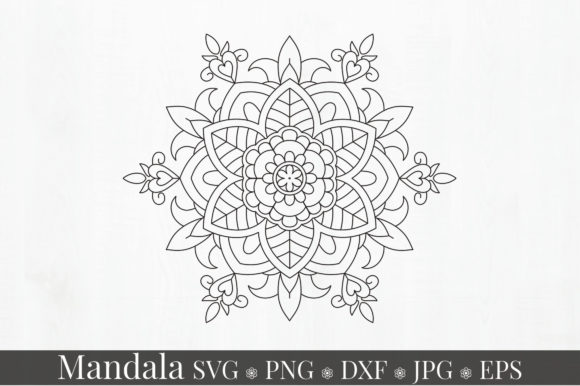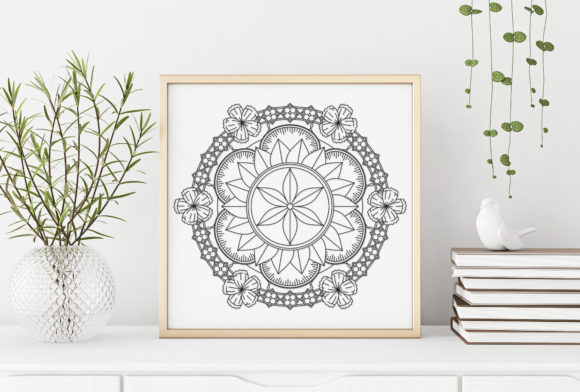
Mandala Art Ribbon Flowers: A Creative Fusion of Pattern and Texture
At the intersection of mindful design and tactile craftsmanship lies Mandala Art Ribbon Flowers—a distinctive decorative technique that transforms simple ribbons into intricate, circular floral motifs inspired by traditional mandala symbolism. Unlike mass-produced embellishments, these pieces are built layer by layer, often by hand, using folded, twisted, or coiled ribbons arranged in symmetrical, radiating formations. The result is both visually calming and texturally rich—a harmonious blend of geometry, color, and soft materiality.
What Makes Mandala Art Ribbon Flowers Unique?
While ribbon flowers have long appeared in crafts and millinery, Mandala Art Ribbon Flowers stand apart through intentional structure and symbolic resonance. Traditional mandalas represent unity, balance, and focused attention—and this philosophy carries into the making process. Each petal, loop, or spiral is placed with care to reinforce radial symmetry. Common characteristics include:
- Center-focused composition: A defined core (often a button, bead, or tightly wound center) anchors the design.
- Modular repetition: Identical or graduated ribbon elements repeat in even intervals—4, 6, 8, or 12-fold patterns are most common.
- Tactile dimensionality: Ribbons are shaped—not flat-printed—creating gentle shadows, curves, and depth.
- Material versatility: Works with satin, grosgrain, velvet, linen, and even upcycled fabric strips.
This isn’t just decoration; it’s slow-making with intention. The act of assembling a Mandala Art Ribbon Flower invites presence and patience—qualities increasingly valued in today’s fast-paced creative culture.
Where These Designs Naturally Belong
Mandala Art Ribbon Flowers thrive where visual warmth meets functional detail. Their adaptability makes them relevant across multiple contexts—not as a one-size-fits-all solution, but as a thoughtful accent that elevates ordinary objects and spaces.
Home & Everyday Objects
Imagine a neutral-toned throw pillow anchored by a 5-inch Mandala Art Ribbon Flower in terracotta and sage. Or a plain ceramic mug adorned with a delicate 2-inch version glued near the handle. These aren’t overpowering statements—they’re quiet moments of craft embedded into daily life. Because they’re lightweight and low-profile, they integrate seamlessly onto lampshades, drawer pulls, wall hangings, and woven baskets.
Wearables & Personal Style
On clothing or accessories, Mandala Art Ribbon Flowers offer subtle individuality. Sewn onto the lapel of a blazer, pinned to a scarf, or clustered along a headband, they add artisanal charm without overwhelming silhouette or movement. Designers working with sustainable fashion appreciate how easily they can be made from fabric scraps—reducing waste while amplifying uniqueness.
Events & Celebrations
Wedding stylists use custom Mandala Art Ribbon Flowers as boutonniere accents, table scatter elements, or layered backdrops for photo booths. Their handmade nature conveys sincerity and care—qualities guests instinctively respond to. Unlike plastic florals, they photograph beautifully under natural light, catching highlights and casting soft gradients.
Who Benefits Most From This Craft?
The appeal of Mandala Art Ribbon Flowers spans diverse roles—not because it’s universally “for everyone,” but because its value shifts meaningfully depending on need and context.
- Creatives & hobbyists: Find grounding in the rhythmic, meditative process—ideal for those seeking screen-free focus time or tactile therapy.
- Small business owners: Use them to brand packaging (e.g., sealing gift boxes with a signature flower), differentiate product photography, or create limited-edition merch.
- Educators & therapists: Incorporate into fine-motor skill development for children or mindfulness exercises for teens and adults.
- Interior stylists: Leverage their scalability—tiny versions for shelf styling, large ones as wall-mounted focal points—to add curated warmth without clutter.
Importantly, no formal art training is required. Beginners can start with pre-cut ribbon kits and basic glue tools; advanced makers experiment with heat-shaping, mixed-media layering, or digital pattern planning.
Real-World Applications: Beyond the Obvious
Consider a local bookstore that began attaching miniature Mandala Art Ribbon Flowers to bookmarks given with every poetry purchase. Sales of poetry titles rose 17% over three months—not because the flowers sold books, but because they signaled care, intention, and attention to emotional resonance. Customers reported feeling “seen” in a way generic receipts never conveyed.
Or take a physical therapy clinic that introduced ribbon flower assembly into group sessions for seniors recovering from hand injuries. Therapists observed improved dexterity, reduced frustration, and increased session engagement—outcomes validated through informal progress notes and participant feedback.
These examples highlight a quiet truth: Mandala Art Ribbon Flowers gain power not from scale or complexity, but from alignment with purpose. They work best when they serve a human need—not just an aesthetic one.
Practical Considerations Before You Begin
While accessible, working with Mandala Art Ribbon Flowers does involve realistic trade-offs worth acknowledging upfront:
- Time investment: A single 3-inch flower may take 20–45 minutes to construct by hand. Batch production helps—but rushing compromises symmetry and finish.
- Durability limits: They’re not waterproof or UV-stable. Outdoor or high-moisture use requires sealants or protective casings—factors that affect texture and appearance.
- Scale sensitivity: Tiny versions (<1 inch) require precision tools and steady hands; oversized pieces (>8 inches) demand structural reinforcement to hold shape.
- Color coordination: Because ribbons reflect light differently than paper or paint, testing swatches in your actual environment prevents unexpected tonal shifts.
None of these are dealbreakers—just parameters. Think of them like knowing whether a recipe needs resting time or chilling: useful context, not a barrier.
Evaluating Fit for Your Project
Ask yourself three questions before choosing Mandala Art Ribbon Flowers for a specific goal:
- Does the project benefit from handmade authenticity? If yes—especially in contexts where trust, warmth, or personalization matter—it’s a strong candidate.
- Is there room for gentle imperfection? Slight variations in petal spacing or ribbon tension are part of the charm. If absolute uniformity is required (e.g., corporate branding guidelines), explore hybrid options—like laser-cut wooden mandalas with ribbon inlays.
- Will it be touched, moved, or exposed to wear? For high-contact items (e.g., chair cushions), consider reinforcing backs with fusible webbing or stitching instead of glue alone.
When aligned thoughtfully, Mandala Art Ribbon Flowers do more than decorate—they invite pause, signal care, and quietly affirm that beauty lives in repetition, rhythm, and restraint.
A Final Thought: Less Is Often More
You don’t need dozens of colors or elaborate tools to begin. Start with two complementary ribbons, a hot glue gun, and five minutes of uninterrupted time. Fold one strip into a teardrop shape. Repeat seven times. Arrange around a center. Step back. Notice how light falls across the curves. That moment—of noticing—is where Mandala Art Ribbon Flowers truly begin.