Mandala Art Coloring as a Focused Creative Practice
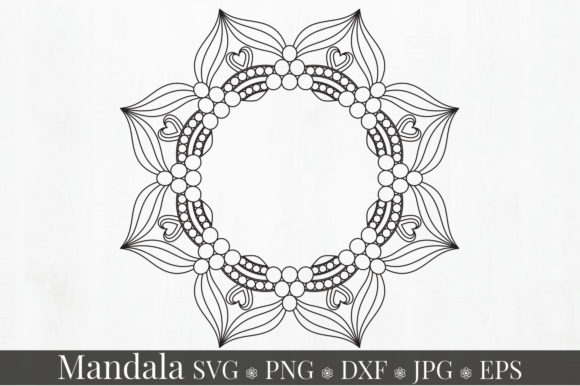
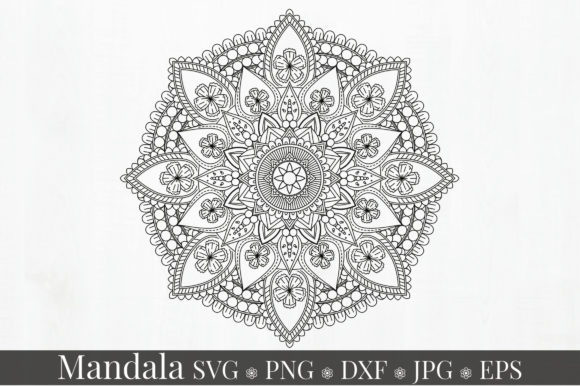
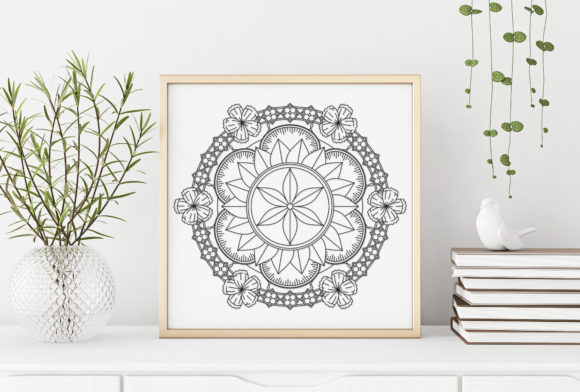
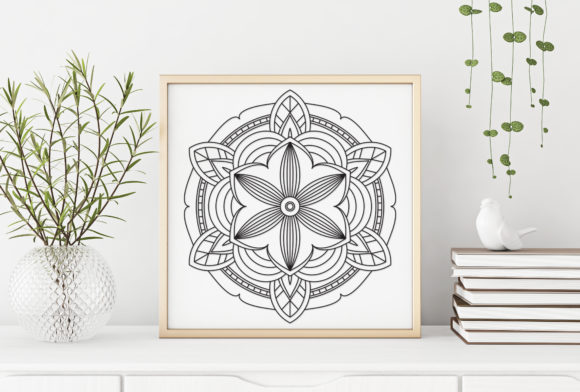
Mandala Art Coloring is more than a trend—it’s a structured visual practice rooted in symmetry, repetition, and intentional attention. Originating from spiritual traditions where mandalas symbolize wholeness and cosmic order, the modern adaptation invites adults to engage with intricate circular patterns using color as both tool and medium. Unlike freeform drawing or broad-stroke painting, Mandala Art Coloring operates within defined boundaries: line-drawn templates—often radial, layered, and highly detailed—serve as scaffolds for deliberate, low-stakes creative action. Its value lies not in artistic output alone, but in how it supports mental clarity, sustained attention, and nonverbal expression without requiring prior skill.
What Defines High-Quality Mandala Art Coloring
Not all mandala coloring experiences deliver consistent value. The strongest resources share several practical traits. First, line work must be clean, legible, and printed or rendered at sufficient resolution—ideally 300 DPI for physical use or scalable vector formats for digital applications. Second, design density matters: too sparse, and the experience lacks immersive depth; too dense without clear visual hierarchy, and fatigue sets in quickly. Third, thematic cohesion enhances usability—collections organized by complexity level (e.g., beginner, intermediate, advanced), motif type (floral, geometric, celestial), or intended function (stress reduction, classroom warm-up, brand-aligned visuals) improve selection efficiency.
Reliability also depends on format flexibility. PDFs with bleed-safe margins and CMYK-ready files support professional printing. SVG or layered PSD files allow designers to modify line weight, isolate elements, or integrate motifs into larger branding systems. For educators or content creators, licensing clarity is essential—many commercial-use mandala packs explicitly permit inclusion in paid courses, client deliverables, or printable products, while others restrict redistribution. Always verify license terms before incorporating Mandala Art Coloring assets into workflows involving third parties or monetized outputs.
Real-World Use Across Professional Contexts
In practice, Mandala Art Coloring serves distinct functions depending on role and environment. Freelance graphic designers sometimes use simplified mandala frameworks as base structures for logo development or pattern libraries—especially when clients seek culturally resonant, balanced compositions. Educators in art therapy or mindfulness-focused curricula apply graded mandala sheets to scaffold attention-building exercises: students begin with single-quadrant designs and progress toward full-circle pieces over weeks, tracking focus duration and emotional response alongside completion.
For marketers and small business owners, Mandala Art Coloring offers an unexpected asset: ready-made, audience-engaging lead magnets. A well-designed “5-Minute Mandala” PDF—paired with a short email sequence explaining grounding techniques—converts consistently for wellness coaches, yoga studios, and productivity consultants. One freelance writer reported a 27% lift in email sign-ups after replacing a generic checklist with a downloadable mandala + reflection prompt combo. The key was matching visual tone to audience expectations: clean linework, neutral palette suggestions, and minimal text—not ornate flourishes that distracted from the core activity.
Usability Considerations and Common Limitations
Despite its appeal, Mandala Art Coloring isn’t universally frictionless. Digital users face real constraints: many tablets lack pressure sensitivity needed for nuanced shading within tight spaces, and stylus lag can disrupt rhythm. Even high-end apps may render fine lines inconsistently across zoom levels, leading to accidental over-coloring or missed sections. Physical users encounter different trade-offs—low-cost printed books often use thin paper prone to bleed-through with markers or wet media, limiting medium choice. Testing a sample page before bulk purchase remains a pragmatic step.
Another limitation is functional scope. Mandala Art Coloring excels at supporting focused calm but doesn’t inherently teach color theory, composition principles, or technical rendering skills. It’s a practice tool—not a pedagogical system. Users seeking growth beyond repetition benefit from pairing it with targeted learning: studying analogous color schemes via a quick reference chart, experimenting with cross-hatching on scrap paper first, or using a mandala session as warm-up before tackling a larger illustration project.
Who Benefits Most—and When
The strongest fit tends to be professionals managing cognitive load: software developers using 10-minute mandala sessions between coding sprints to reset visual processing; therapists integrating structured coloring into session transitions for clients with ADHD or anxiety; or solopreneurs building personal brands who need visually cohesive, non-verbal content for social feeds. In each case, Mandala Art Coloring functions as a predictable, low-overhead ritual—not a creative destination, but a reliable waypoint.
It also suits collaborative environments where shared visual language matters. A team facilitator might distribute identical mandala templates during a remote workshop on presence, asking participants to color while listening to a guided reflection—then discuss patterns noticed (e.g., “Which areas felt easiest to fill? Where did your attention drift?”). This grounds abstract concepts like focus or intention in tangible, observable behavior.
Practical Recommendations for Implementation
Start small. Choose one high-resolution mandala sheet—not a full book—and complete it using only two colors plus black outline. Notice pacing: do you rush through repetitive sections? Pause at intersections? This self-observation builds metacognitive awareness more effectively than any external metric.
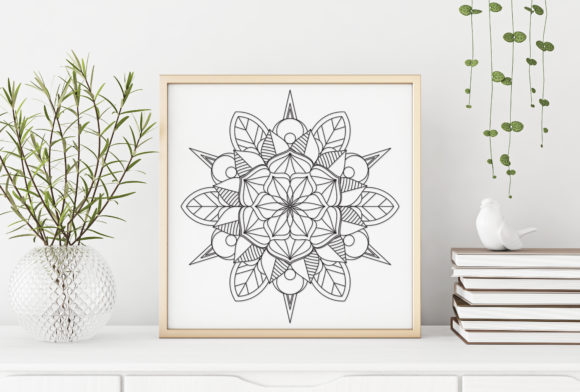
If sourcing assets, prioritize collections with consistent line weight (0.3–0.5 pt minimum) and varied scale—some designs should fit a business card, others a poster. Avoid kits promising “instant relaxation”: effectiveness correlates more with regularity and personal alignment than novelty. One educator tested five popular mandala books with her high school art class and found students engaged longest with designs featuring subtle asymmetry—small variations in petal count or leaf orientation—that invited curiosity rather than rote filling.
For long-term integration, treat Mandala Art Coloring as infrastructure—not ornament. Store digital files in a dedicated folder tagged by use case (e.g., “client onboarding,” “team retreat,” “personal reset”). Print batches of three to five sheets monthly, keeping them near your desk or in a notebook sleeve. Revisit older completed pieces quarterly: differences in color choice, pressure, or hesitation become quiet data points about shifting mental states.
Mandala Art Coloring endures because it meets a precise need: structured creative engagement that asks little in setup but rewards consistency. It doesn’t replace deeper artistic training, nor does it claim to solve complex stressors—but when used deliberately, it anchors attention in a way few other visual practices do. Its strength isn’t in transformation, but in fidelity: showing up, within the lines, again and again.