The Timeless Allure of Mandala Art
Mandala Art is far more than intricate patterns on paper—it’s a visual language rooted in centuries of spiritual tradition, psychological insight, and creative expression. Originating from Sanskrit—where “mandala” means “circle”—this art form embodies wholeness, balance, and focused intention. Today, Mandala Art resonates across cultures and contexts: from mindfulness journals to corporate wellness programs, from classroom art projects to high-end textile design. Its quiet power lies not in complexity alone, but in its accessibility and adaptability.
What Makes Mandala Art Distinctive?
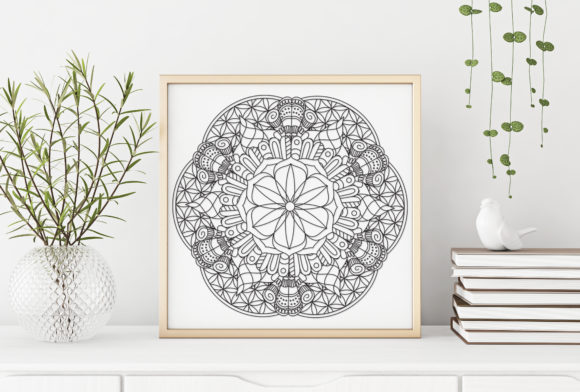
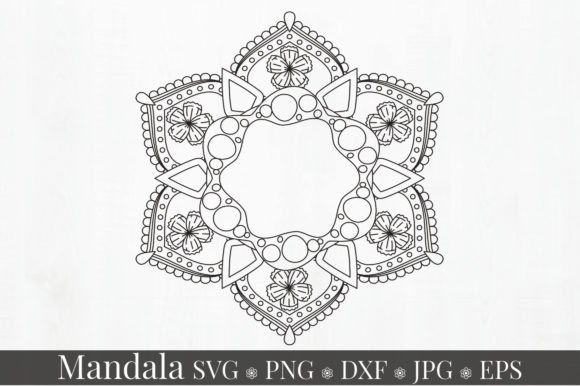
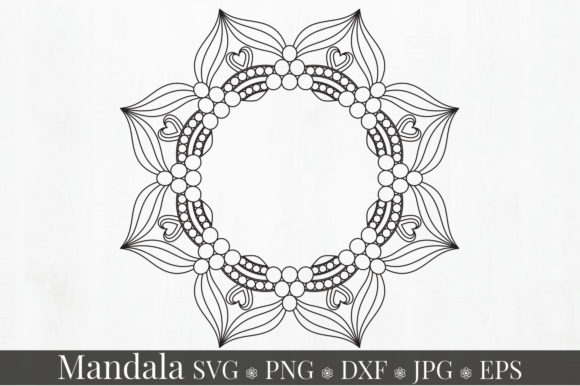
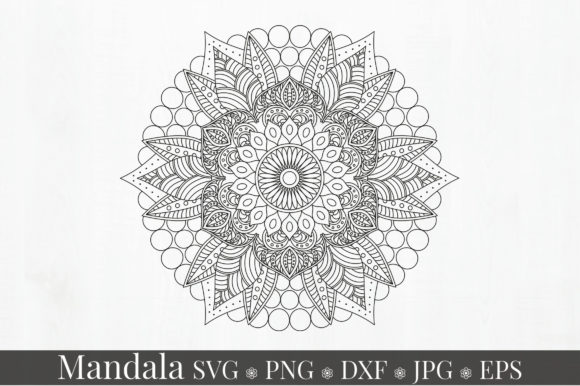
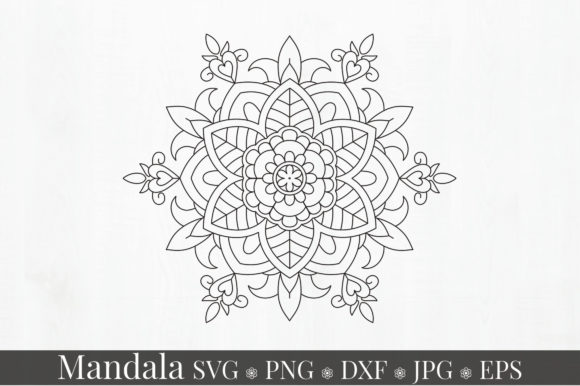
At its core, Mandala Art is built on radial symmetry. Every element radiates outward from a central point, creating harmony through repetition, geometry, and careful spacing. Unlike free-form doodling or abstract painting, Mandala Art invites structure—but never rigidity. A single mandala might feature concentric rings, floral motifs, sacred geometry (like the Sri Yantra), or culturally specific symbols such as lotus petals or Buddhist wheel spokes.
Three defining characteristics set Mandala Art apart:
- Centricity: A clear focal point anchors the composition—symbolizing unity, presence, or the self.
- Repetition with variation: Motifs recur deliberately, yet subtle shifts in line weight, spacing, or motif orientation keep the eye engaged and the hand mindful.
- Intentional boundaries: Most mandalas are contained within a defined shape—often a circle, square, or lotus—and this containment supports focus and emotional containment.
These aren’t arbitrary rules—they reflect how the human brain processes pattern and order. Studies in art therapy suggest that engaging with symmetrical, repetitive forms can lower cortisol levels and improve attentional control. That’s why Mandala Art isn’t just aesthetically pleasing—it’s neurologically supportive.
Who Benefits—and How?
Mandala Art serves diverse audiences—not because it’s one-size-fits-all, but because it meets people where they are.
Creatives & Educators
Artists use Mandala Art to explore color theory, negative space, and compositional rhythm without needing representational skill. In classrooms, students as young as six trace simple mandalas to build fine motor control and patience. High school design classes deconstruct traditional mandalas to study cultural symbolism—comparing Tibetan sand mandalas with Indigenous Australian dot paintings or Islamic geometric zillij tiles.
Professionals & Remote Workers
For those navigating back-to-back video calls and fragmented attention, 10 minutes of coloring a printed mandala offers measurable cognitive reset. A 2023 survey by the American Art Therapy Association found that 68% of remote workers who practiced Mandala Art weekly reported improved concentration during deep-work sessions. It’s not about “making art”—it’s about stepping out of task-mode and into embodied awareness.
Therapists & Wellness Practitioners
Clinical counselors incorporate Mandala Art in trauma-informed care. Drawing or coloring a personal mandala allows clients to externalize internal states nonverbally—mapping anxiety as jagged outer layers, calm as soft inner circles. One licensed art therapist notes, “The circle holds what words cannot. With Mandala Art, safety isn’t assumed—it’s drawn.”
Business Owners & Marketers
Brands increasingly turn to Mandala Art for visual storytelling that conveys authenticity and intention. A yoga studio’s logo may integrate a simplified mandala to signal balance and integration. A sustainable skincare line uses mandala-inspired packaging to evoke natural cycles and holistic care—without clichéd greenwashing. The key? Authentic integration—not decorative appropriation.
Where Mandala Art Lives in Everyday Life
You’ll find Mandala Art in places both expected and surprising:
- Personal journals: Hand-drawn mandalas serve as visual bookmarks for emotional check-ins—e.g., filling each segment with a word representing gratitude, challenge, hope, or rest.
- Public spaces: Hospitals install large-scale mandala murals in waiting areas; research shows they reduce perceived wait times by up to 22%.
- Digital interfaces: Meditation apps like Insight Timer use animated mandalas as breath-synced visual anchors—turning abstract mindfulness into tangible feedback.
- Fashion & textiles: Designers reinterpret mandala motifs in block-printed scarves or laser-cut leather—honoring origin while adapting scale and material.
What unites these applications is purpose—not ornamentation. When Mandala Art is used thoughtfully, it guides attention, signals values, or creates shared ritual.
Realistic Expectations: Strengths and Limits
Mandala Art excels at fostering presence, supporting reflection, and offering accessible entry points into creativity. But it’s not a universal fix—and recognizing its limits is part of using it well.
Its strengths include:
- Low barrier to entry—no prior art training needed.
- Scalable time commitment: a full mandala may take hours; a 90-second center-point sketch still grounds.
- Adaptable to physical ability: done with fingers in sand, voice-guided digital tools, or adaptive grips.
Important considerations:
- Cultural respect matters. Borrowing sacred symbols—like the Om glyph or Vajra—without understanding their context risks erasure. When in doubt, begin with secular geometry or co-create with cultural consultants.
- It’s not inherently therapeutic. While many find relief, Mandala Art doesn’t replace clinical mental health support. For trauma survivors, facilitation by a trained professional is essential.
- Perfectionism can backfire. Some beginners abandon Mandala Art after one wobbly line. Remind yourself: the practice is in the return—not the result.
Evaluating If Mandala Art Fits Your Needs
Ask yourself three practical questions before diving in:
- What outcome do I truly want? If it’s stress reduction, start with pre-drawn coloring pages. If it’s creative confidence, try daily 5-minute freehand circles—no erasing, no judging.
- What resources do I have—right now? You don’t need premium supplies. A ballpoint pen and notebook work. Try tracing a jar lid for your first circle. Let materials match your energy level, not your aspirations.
- Who am I doing this for? Personal practice? A team workshop? A client project? Each context shifts best practices—e.g., group mandala-making thrives with shared materials and open-ended prompts (“Draw what ‘centered’ feels like today”).
One small business owner began using Mandala Art to plan quarterly goals—sketching a four-quadrant mandala, assigning each section to revenue, team growth, product development, and community impact. She didn’t aim for beauty. She aimed for clarity. Six months in, her team reported clearer alignment and fewer misprioritized tasks. That’s Mandala Art’s quiet utility: making the intangible, visible—and therefore actionable.
A Practice, Not a Product
In an age of algorithmic feeds and constant output, Mandala Art endures because it asks for nothing but attention. It doesn’t demand virality. It doesn’t optimize for engagement metrics. It simply invites you to draw a circle—and then decide what belongs inside it.
Whether you’re sketching on a napkin between meetings, guiding children through a nature-based mandala walk (collecting leaves, stones, and feathers to arrange in circles), or commissioning a custom piece for a healing space—Mandala Art remains anchored in the same truth: the act of returning to center is itself transformative.
So pick up a pencil. Trace a circle. Notice what emerges—not just on the page, but within you. That’s where Mandala Art begins. And often, where it changes everything.