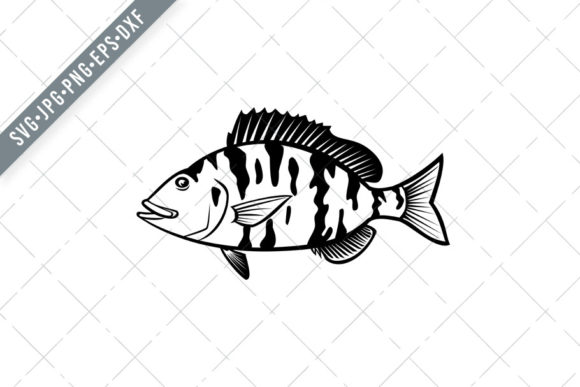
Pigfish: Orthopristis chrysoptera Explained
The Pigfish (Orthopristis chrysoptera) is a small, silvery coastal fish native to the western Atlantic Ocean—from Massachusetts down through the Gulf of Mexico and into the Caribbean. Though modest in size—typically 6 to 10 inches long—it plays an unexpectedly meaningful role in marine ecosystems, fisheries, education, and even local economies.
What Makes Pigfish Stand Out?
At first glance, Pigfish may seem unremarkable among the dozens of similar-looking grunt species. But look closer: its golden-tinged pectoral fins, faint horizontal stripes, and distinctive pig-like grunting sound (produced by grinding pharyngeal teeth) make it easy to identify—and memorable to observe. Unlike many reef fish that hide in crevices, Pigfish often school just above seagrass beds or near oyster reefs, making them accessible for snorkelers, students, and citizen scientists alike.
They’re not trophy fish, nor are they targeted commercially at scale—but that doesn’t diminish their value. In fact, their abundance, hardiness, and clear ecological signals make Pigfish excellent indicators of estuary health. When water quality declines or seagrass meadows shrink, Pigfish numbers often drop before more resilient species do—a subtle but useful early warning sign.
Why People Care About Pigfish
For educators, Pigfish are low-stress classroom ambassadors. Their tolerance for variable salinity and temperature means they adapt well to aquariums and lab settings—ideal for teaching food webs, adaptation, or marine conservation. A middle school science class in Florida might track Pigfish behavior across seasons; a university marine biology course could use them in field studies comparing fish assemblages across restored versus degraded seagrass sites.
Casual anglers and families enjoy catching Pigfish with simple hook-and-line gear—especially kids learning to fish. They bite readily on shrimp or cut bait, rarely exceed 1 pound, and pose no safety concerns. That accessibility builds confidence and connection without pressure to “catch big.” For small-scale charter operators along the Gulf Coast, Pigfish often serve as reliable “starter catches” during slow periods—keeping guests engaged while waiting for larger species to bite.
Ecologically minded hobbyists and restoration volunteers also find Pigfish rewarding. Because they thrive where juvenile snapper, grouper, and shrimp do, their presence helps validate habitat improvement efforts. If you’ve helped plant seagrass or install oyster shell reefs, spotting Pigfish schools months later is tangible proof your work is supporting life—not just structure.
Real-World Uses Across Contexts
Education: Teachers use Pigfish specimens (or high-res images and videos) to illustrate concepts like sound production in fish, lateral line function, or trophic cascades. A downloadable activity might ask students to map Pigfish diet items—small crustaceans, worms, mollusks—and trace how each links back to water clarity and nutrient cycling.
Digital & Media: Photographers and nature documentarians appreciate Pigfish for their photogenic schooling behavior and reflective scales. Underwater footage of Pigfish darting through sunlit seagrass appears in coastal conservation campaigns, virtual aquarium exhibits, and even stock libraries used by environmental nonprofits.
Small Business & Tourism: Local dive shops, eco-tour guides, and kayak rental outfits highlight Pigfish as part of “what you’ll see today”—not as a headline attraction, but as an authentic, everyday detail that grounds the experience in reality. One Louisiana guide told us, “When people spot Pigfish, they relax. It tells them, ‘This place breathes.’”
Research & Monitoring: Scientists use Pigfish data from long-term surveys (like NOAA’s SEAMAP program) to assess trends in nearshore biodiversity. Because they’re abundant, widespread, and easy to identify, they serve as consistent reference points—helping researchers separate signal from noise when evaluating climate-related shifts or pollution impacts.
Things to Keep in Mind
Pigfish aren’t suited for home aquariums beyond short-term educational displays. They need space, strong water flow, and natural light cycles—conditions most residential tanks can’t replicate sustainably. If you’re considering live specimens, consult a marine biologist or aquarium specialist first.
While Pigfish are safe to handle, always follow local regulations. Some states restrict collection during spawning season (spring–early summer), and permits may be required for scientific sampling. Never assume “common = unlimited”—conservation depends on thoughtful stewardship, even for smaller species.
Also remember: Pigfish are part of a web—not a standalone solution. Their usefulness lies in context. A healthy Pigfish population supports cleaner water, better fisheries, richer birdwatching, and stronger coastal resilience. But they won’t fix degraded habitats alone. They’re evidence—not a remedy.
Getting Started Is Simpler Than You Think
You don’t need a boat, a degree, or expensive gear to engage with Pigfish. Start by visiting a local estuary boardwalk or public pier at dawn or dusk—you’ll often see them flashing silver just below the surface. Download a free fish ID app like iNaturalist or FishVerify, snap a photo, and log your observation. Your sighting contributes to real science.
Or join a coastal cleanup event: Pigfish rely on clean shorelines and intact seagrass. Removing plastic debris or reporting invasive algae helps protect their habitat—even if you never see one directly. Small actions add up because Pigfish respond quickly to change—both positive and negative.
For creators and communicators, Pigfish offer quiet storytelling power. Instead of leading with crisis, try highlighting hope: “Here’s a fish that’s still thriving—because of what we protected, restored, or chose not to disturb.” That kind of grounded, hopeful narrative resonates deeply with audiences tired of doom-scrolling.
In short, Pigfish Orthopristis chrysoptera isn’t flashy—but it’s faithful. It shows up where conditions allow life to flourish. It teaches patience, observation, and humility. And whether you’re sketching it in a field journal, filming it for a documentary, or simply pausing to watch it glide past the dock pilings—you’re participating in something quietly essential: paying attention to the living world, one small, golden-finned fish at a time.