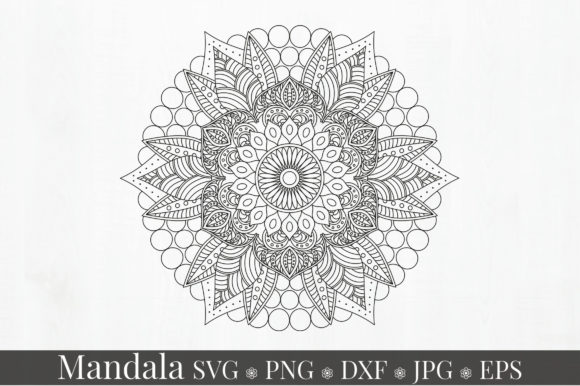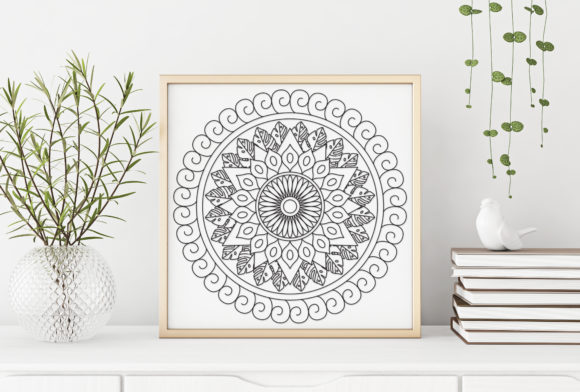
Mandala Art Tropical Leaves
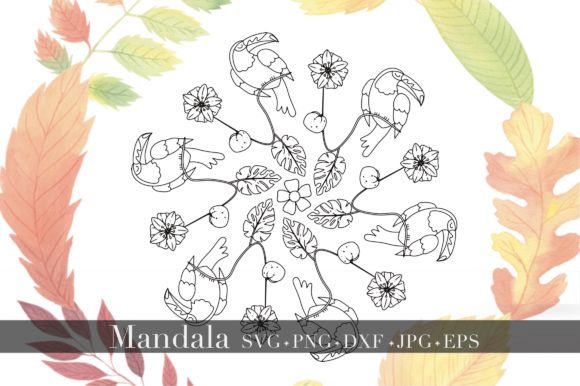
Imagine a circular design where palm fronds curl into symmetrical spirals, monstera leaves unfurl in mirrored pairs, and hibiscus petals bloom outward from a calm center — all woven with intention and balance. That’s Mandala Art Tropical Leaves: a fusion of traditional mandala structure and lush, warm-climate botanical motifs. It’s not just decoration — it’s a visual language that brings rhythm, nature, and quiet focus into everyday life.
What Makes This Style Distinctive?
Unlike generic botanical art or abstract mandalas, Mandala Art Tropical Leaves combines two powerful elements: the psychological grounding of radial symmetry and the energetic vibrancy of tropical flora. Think of it as mindfulness made visible — each leaf placement reflects care, each repeating pattern invites pause. The motifs aren’t random: split-leaf philodendron shapes echo growth and resilience; banana leaf outlines suggest abundance and shelter; delicate fern fronds add lightness and movement.
This isn’t about realism. It’s about stylized harmony — simplified forms arranged with precision, often using clean lines, subtle gradients, or hand-drawn textures. Colors tend toward earthy teals, sun-warmed ochres, soft coral, and deep forest greens — hues that feel grounded yet uplifting.
Why People Reach for This Style
Many adults today juggle digital overload, tight schedules, and creative fatigue. Mandala Art Tropical Leaves offers gentle relief — not by demanding time, but by fitting naturally into moments that already exist. A teacher might print a small version to use as a calming visual anchor during class transitions. A freelancer could set one as their laptop wallpaper to soften screen glare and reset attention between calls. A small business owner may feature it on packaging to signal natural quality and thoughtful design — without saying a word.
It also supports deeper intentions. Because mandalas have long been used in contemplative practice, this style quietly encourages presence. You don’t need to meditate formally to benefit — simply tracing the curve of a mango leaf with your eyes for 30 seconds can ease mental chatter. For creators, it’s a springboard: a single motif can become a repeat pattern for fabric, a focal point for a logo, or the base layer for digital illustration.
Real-Life Uses Across Contexts
- Personal wellness: Printed and framed in a bedroom or yoga nook, Mandala Art Tropical Leaves adds warmth and stillness — especially when paired with natural materials like rattan or bamboo frames.
- Digital content: Bloggers and educators use simplified versions in Canva templates for social posts or printable planners. Its clarity holds up well at small sizes, unlike overly detailed illustrations.
- Small business branding: A boutique skincare line might integrate a stylized areca palm motif into its label design — evoking freshness, care, and origin without cliché.
- Educational tools: In classrooms, teachers project enlarged versions and invite students to identify symmetry, count repeating units, or discuss plant adaptations — blending art, math, and biology organically.
- Craft & DIY: Beginners enjoy coloring pages featuring tropical leaf mandalas — the familiar shapes make them more approachable than geometric-only versions, and the organic flow helps build confidence in line control.
Getting Started Without Overwhelm
If you’re new to creating or using Mandala Art Tropical Leaves, start small. Try sketching one central leaf — say, a simple bird-of-paradise outline — then mirror it twice around a dot. No ruler needed. Just notice how balance emerges from repetition, not perfection. Many find success using free online tools like SVG editors or even PowerPoint’s shape-duplicate-and-rotate function to experiment before committing to ink or code.
When selecting ready-made designs, pay attention to scalability. A beautiful high-res file works for wall art, but if you plan to embroider or laser-cut it, check whether the lines remain crisp at smaller dimensions. Also consider cultural resonance: while tropical leaves carry universal associations with growth and vitality, some motifs (like specific ceremonial plants) hold deeper meaning in certain communities — respectful use matters, especially in public-facing work.
Things to Keep in Mind Before Choosing or Creating
First, think about context over aesthetics alone. A bold, high-contrast version with thick black outlines suits a café menu board or t-shirt print. A delicate, low-saturation version with fine linework fits better in a therapist’s waiting room or an e-book header. Second, consider accessibility: ensure enough contrast between leaf shapes and background if used digitally — especially for users with low vision.
If you’re commissioning or licensing artwork, clarify usage rights upfront. A design labeled “for personal use only” won’t cover merchandise sales or client projects. And if you’re learning to draw these yourself, remember that consistency grows with observation — spend five minutes studying how real monstera leaves branch, then simplify what you see. Nature is your best reference, not a filter.
Finally, trust your intuition. Not every tropical leaf needs to be included. Sometimes a single, strong motif — repeated with subtle variation — carries more impact than a crowded composition. Less can feel more generous, especially in spaces meant for rest or reflection.
A Style That Grows With You
Mandala Art Tropical Leaves doesn’t require expertise to appreciate — or to begin working with. Whether you’re sketching on scrap paper, choosing a background image, designing a workshop handout, or refreshing your brand’s visual tone, it meets you where you are. Its strength lies in flexibility: structured enough to feel intentional, organic enough to feel alive.
Over time, many people find their relationship with this style deepens — noticing how certain leaf shapes echo emotions they want to cultivate (calm, expansion, renewal), or how the act of arranging them becomes its own kind of quiet ritual. That’s the quiet power of this art: it doesn’t shout for attention. It waits, gently, for you to arrive.