Watercolor Cute Animals Clipart: A Practical Guide for Designers and Educators
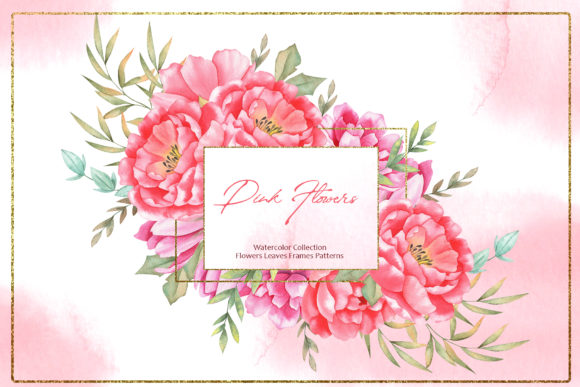
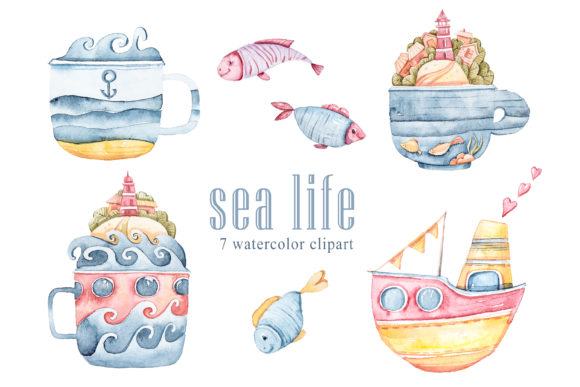
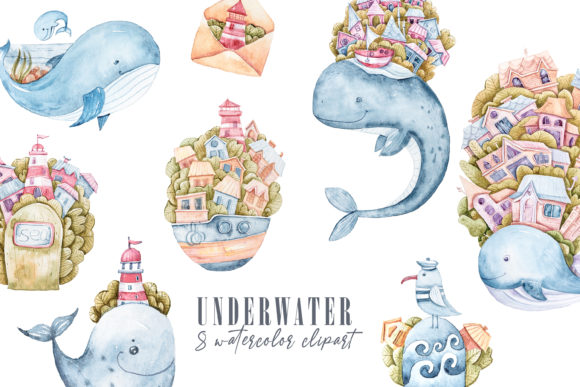
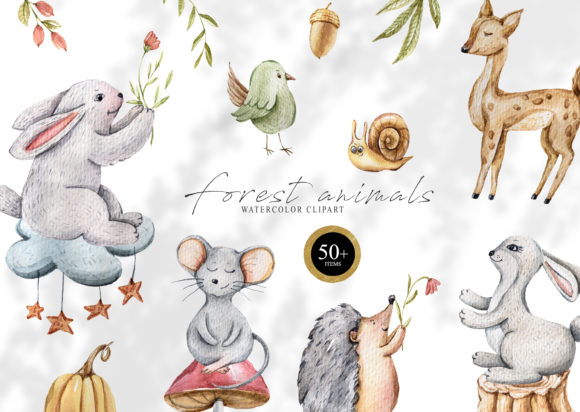
Watercolor Cute Animals Clipart refers to hand-painted or digitally simulated illustrations of animals—such as foxes, bunnies, owls, and hedgehogs—rendered in soft, translucent watercolor textures with gentle edges, subtle pigment blooms, and expressive charm. Unlike vector-based icons or photorealistic stock images, this style prioritizes warmth, imperfection, and tactile authenticity. It’s commonly delivered as PNG files with transparent backgrounds, making it easy to layer over print materials, digital presentations, or classroom resources.
What Sets Watercolor Cute Animals Clipart Apart
The defining traits lie in execution and intent. True watercolor clipart captures the physical behavior of pigment on paper: granulation, bleeding, light washes, and uneven saturation. Even digitally created versions emulate these qualities intentionally—not as flaws to correct, but as stylistic signatures. This contrasts sharply with flat-color SVG icons (which prioritize scalability and editing), cartoon-style PNGs (which emphasize bold outlines and uniform fills), or high-resolution photography (which conveys realism over whimsy).
Cuteness here isn’t just about big eyes or rounded features—it’s reinforced by the medium itself. The softness of watercolor naturally tempers sharpness and aggression, lending even a curious raccoon or sleepy sloth an approachable, gentle presence. That emotional resonance matters when designing for early childhood education, wellness branding, or handmade product packaging.
How It Compares With Other Animal Illustration Styles
Choosing among illustration formats depends less on “quality” and more on functional fit. Here’s how Watercolor Cute Animals Clipart stacks up against common alternatives:
- Flat-color vector clipart: Infinitely scalable and editable in design software, ideal for logos or responsive web graphics. But it lacks texture and organic variation—making it less effective for evoking handmade warmth or tactile storytelling.
- Digital line art (with or without color fill): Clean, modern, and highly customizable. Works well for coloring pages or minimalist branding. However, it doesn’t carry the same visual depth or atmospheric subtlety as watercolor rendering.
- Photographic animal imagery: Offers realism and species accuracy—valuable for science curriculum or nature documentation. Yet photos rarely convey the stylized, emotive tone needed for greeting cards, baby shower invites, or mindfulness journals.
- Hand-drawn ink sketches: Expressive and personal, but often lack the softness and accessibility associated with watercolor. They can feel more “artistic” than “inclusive,” which may limit broad appeal in educational or therapeutic settings.
No single format dominates across use cases. A kindergarten teacher creating a weather chart might prefer Watercolor Cute Animals Clipart for its inviting, non-intimidating aesthetic. Meanwhile, a UX designer building an animal-themed app interface would likely lean toward crisp vector icons for clarity at small sizes.
Where Watercolor Cute Animals Clipart Excels—and Where It Doesn’t
Its strengths are situational, not universal. Watercolor Cute Animals Clipart shines when:
- You’re designing for emotional resonance over technical precision—think birthday invitations, self-care planners, or printable classroom rewards.
- Print fidelity matters: watercolor textures reproduce beautifully on matte or textured paper stocks, where flat vectors can appear sterile.
- You need consistent tonal harmony across multiple animals—many watercolor clipart sets are painted as a cohesive collection, ensuring balanced saturation, analogous palettes, and unified brushwork.
- You’re working with non-designers (e.g., teachers, small-business owners) who want ready-to-use assets that look intentional without requiring Photoshop expertise.
It faces limitations where control, scalability, or neutrality is essential:
- Resizing beyond original dimensions often reveals pixelation or loss of delicate texture—especially in lower-resolution PNGs.
- Editing individual elements (e.g., changing one animal’s color independently) is harder than with layered vector files.
- Watercolor’s inherent softness reduces legibility at very small sizes (under 40px), limiting utility in UI icons or mobile app assets.
- Some sets lean heavily into pastel palettes or specific seasonal themes (e.g., spring florals, winter scarves), which may not align with brand guidelines requiring bolder contrast or neutral tones.
Real-World Use Cases and Practical Tradeoffs
Consider a small business owner launching an organic pet treat line. Using Watercolor Cute Animals Clipart on labels and social media creates immediate warmth and differentiation from competitors using stock photos or generic clipart. But if they later expand into retail packaging requiring embossing or foil stamping, the soft edges may not translate cleanly to those production methods—requiring adaptation or supplemental vector redraws.
Similarly, a homeschool parent assembling a custom phonics workbook might choose Watercolor Cute Animals Clipart for letter cards (e.g., “A is for Armadillo”) because children respond well to its friendly, unhurried aesthetic. Yet if the same parent also needs flashcards for sight-word drills—where speed and clarity matter more than charm—they may supplement with bolder, higher-contrast illustrations.
Even within a single project, mixing styles can be strategic. One educator built a literacy kit using watercolor animals for story prompts and character cards, but paired them with clean sans-serif typography and flat-color checkmarks for activity tracking—balancing emotional engagement with functional clarity.
Key Decision Factors When Evaluating Options
Before selecting Watercolor Cute Animals Clipart—or deciding it’s not the right fit—consider these practical questions:
- What’s the primary context of use? Print materials (especially on textured or uncoated paper) benefit most from watercolor’s tactile quality. Digital-only interfaces often demand sharper definition.
- Who is the end user? Young children, caregivers, or wellness audiences often connect with softness and warmth. Technical or professional audiences may prioritize clarity and neutrality.
- What level of customization is needed? If you’ll frequently recolor, resize, or combine elements, vector alternatives offer more flexibility. If you value cohesion and time savings, curated watercolor sets deliver consistency out of the box.
- What’s your production pipeline? Do you have access to high-resolution files? Are your printers calibrated for subtle gradients? Are team members comfortable working with raster assets? Gaps here may require testing samples before full implementation.
- How important is thematic alignment? Watercolor Cute Animals Clipart often carries implied associations—gentleness, creativity, nostalgia. If your project leans into innovation, authority, or urgency, another style may communicate more accurately.
When to Choose It—and When to Look Elsewhere
Watercolor Cute Animals Clipart is often the right choice when authenticity, approachability, and aesthetic continuity outweigh the need for infinite scalability or precise editing. It fits naturally in early learning environments, boutique branding, therapeutic tools, and personal creative projects where human touch matters.
It’s less suited when technical constraints dominate—like icon systems needing pixel-perfect rendering, large-format signage requiring extreme enlargement, or multilingual layouts demanding consistent text integration around irregular shapes. In those instances, pairing watercolor elements selectively (e.g., as decorative accents) alongside more versatile base assets can preserve charm without sacrificing function.
Ultimately, the decision isn’t about finding the “best” style—but identifying the one that supports your goals without introducing unintended friction. Watercolor Cute Animals Clipart brings distinct expressive value. Recognizing both its capacity and its boundaries helps ensure it enhances rather than hinders the work you’re doing.