Valentine’s Day Elements: Practical Integration for Creative and Business Workflows
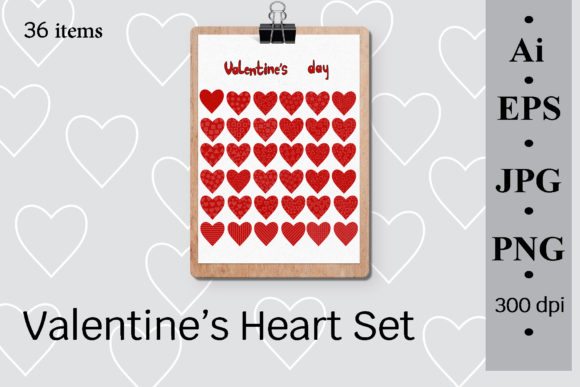
Valentine’s Day Elements aren’t just decorative assets—they’re functional components that support intentionality in communication, branding, and experience design. Whether you're launching a seasonal campaign, designing a client presentation, building an e-commerce landing page, or planning a classroom activity, these elements—icons, color palettes, typography pairings, illustration styles, photo overlays, and editable templates—serve as reusable, context-aware building blocks. Their value lies not in isolation, but in how they connect to your existing tools, timelines, and decision-making rhythms.
Where Valentine’s Day Elements Fit in the Workflow Cycle
They rarely begin or end a project—but they consistently accelerate transitions. Think of them as “moment anchors”: visual and structural cues that help teams align on tone, audiences recognize intent, and creators maintain consistency without reinventing the wheel each February.
Before a project starts, Valentine’s Day Elements help with scoping and mood-setting. A marketer reviewing a Q1 content calendar might pull a curated set of soft-pink gradients and hand-drawn heart motifs to test visual cohesion across email headers, social banners, and printable promo cards. That early alignment reduces back-and-forth later. Similarly, an educator selecting classroom materials might preview editable Canva templates with inclusive couple illustrations and accessible font sizing—confirming they meet both pedagogical goals and accessibility standards before printing or sharing.
During execution, these elements function as guardrails—not constraints. A freelance designer working on a boutique bakery’s Valentine’s menu doesn’t start from blank artboards. Instead, they layer pre-approved brand-aligned Valentine’s Day Elements (e.g., a custom border motif, a limited palette of rose gold + charcoal, and consistent iconography for dietary tags) onto existing layout structures. This preserves brand voice while speeding up iteration. The same applies to developers embedding SVG heart animations into a checkout flow: lightweight, scalable, and performance-optimized elements slot cleanly into component libraries.
After launch, Valentine’s Day Elements support evaluation and reuse. Analytics dashboards tracking engagement with themed landing pages often reveal which visual cues drove clicks—say, animated love-note icons outperformed static text buttons by 22%. That insight informs not just next year’s assets, but broader design system updates. Likewise, a small business owner who documents which editable templates generated the most customer replies can refine their asset library for future seasonal campaigns—turning one-off resources into long-term operational leverage.
Integration Across Tools and Teams
Valentine’s Day Elements work best when treated as interoperable—not siloed. Compatibility isn’t about file format alone; it’s about how easily they move between platforms and roles.
- Design & Collaboration Tools: Figma, Adobe XD, and Canva all support shared libraries where teams can store and version-control Valentine’s Day Elements—like a “Hearts & Typography” section with locked layer naming conventions. This prevents accidental overrides and ensures sales, marketing, and support use the same approved icon set in presentations, emails, and internal docs.
- Content Management Systems: When uploading to WordPress or Shopify, SVG-based Valentine’s Day Elements (e.g., inline heart dividers or hover-triggered confetti) integrate cleanly without bloating page weight—especially when paired with lazy-loading logic and responsive breakpoints.
- Print & Physical Outputs: For educators or local shops producing flyers or greeting cards, high-resolution EPS or PDF versions of Valentine’s Day Elements ensure crisp output at any scale. Consistent bleed margins and CMYK-ready swatches mean less last-minute prep before sending to print.
Crucially, integration extends beyond software—it includes people. A nonprofit coordinating a Valentine’s-themed donor campaign might share a lightweight Notion doc with annotated Valentine’s Day Elements: “Use ‘Gratitude Heart’ icon only in thank-you emails, never in fundraising asks.” Clear usage guidance prevents misalignment, especially when contributors rotate or work asynchronously.
Practical Implementation Tips
Start small—and stay specific. Rather than downloading every available Valentine’s Day Element pack, identify one recurring friction point in your workflow and match it precisely.
Tip 1: Audit Before You Add
Review your last three February-related projects. Where did you spend extra time sourcing or adjusting visuals? Was there inconsistency across channels? That gap is your priority zone. If team members repeatedly recreated the same floral divider in different shades, invest in a single, well-documented SVG version with CSS variables for easy recoloring.
Tip 2: Prioritize Editability Over Decoration
Avoid “pretty but static” assets. Choose Valentine’s Day Elements built for adaptation: layered PSD files with named groups, Sketch symbols with nested overrides, or Figma components with auto-layout. A heart icon that resizes cleanly alongside body text is more valuable than a complex illustration that breaks at smaller viewports.
Tip 3: Embed Usage Context Directly
Don’t rely on memory or separate style guides. Name files meaningfully (valentines-icon-heart-outline-24px.svg), add tooltips in design tools, or include brief usage notes inside template layers (“Insert headline here — max 2 lines, 18pt Montserrat Bold”). This reduces cognitive load during execution.
Tip 4: Plan for Expiration and Archiving
Valentine’s Day Elements are time-bound by nature. Build archiving into your process: tag assets with dates, create quarterly clean-up reminders, and retire outdated versions before new ones arrive. This keeps libraries lean and avoids accidental reuse of last year’s trend-driven palette (e.g., millennial pink overuse) when your brand has evolved.
Factors That Impact Long-Term Usefulness
Efficiency gains compound only if Valentine’s Day Elements remain usable across cycles. Three factors determine whether they do:
- Organization: Assets stored in clearly labeled, searchable folders (not nested ZIPs) with consistent metadata—file type, dimensions, license, last updated—enable quick retrieval. A freelancer managing 12 clients benefits more from a single, filtered Airtable base of Valentine’s Day Elements than 12 separate downloads.
- Consistency Checks: Integrate lightweight validation—like running a script to verify all SVGs contain
viewBoxattributes or checking that color hex codes match your brand’s official palette. Small checks prevent big inconsistencies downstream. - Quality Control: Test elements in real contexts before wide rollout. Does that animated “love letter” SVG render smoothly on iOS Safari? Does the “couples silhouette” illustration retain clarity at thumbnail size in email previews? Real-world testing beats theoretical compatibility every time.
Long-term value also depends on adaptability. The most durable Valentine’s Day Elements aren’t tied to clichés—they support reinterpretation. A minimalist line-art heart works equally well for a fintech app’s “save this investment goal” action and a wellness coach’s “commit to self-care” checklist. Look for versatility in form, not just theme.
Building Your Own System
You don’t need to wait for pre-packaged sets. Many professionals build custom Valentine’s Day Elements as part of ongoing brand development. Start by documenting what already works: Which colors, shapes, or phrasing resonate most with your audience in February? Which templates get reused across years? Then formalize them—name them, version them, and document where and how they apply.
This isn’t about creating more work. It’s about converting reactive decisions into repeatable patterns. When your team knows exactly which Valentine’s Day Elements belong in a product launch email versus a community newsletter—and why—their focus stays on strategy and messaging, not pixel alignment or hex-code hunting.
Ultimately, Valentine’s Day Elements succeed when they disappear into the background of good work: invisible scaffolding that makes intention visible, consistency effortless, and execution faster—not because they’re flashy, but because they’re fit for purpose, ready when needed, and quietly reliable across the full arc of planning, doing, and learning.